Ways to Help Prevent the Toilet From Clogging
Dealing with a clogged toilet can stop a day in its tracks, but most toilet clogs are preventable with consistent habits. A few simple changes keep drains clear, protect sewer pipes from recurring issues, and reduce the need for emergency drain cleaning. The sections below outline what should and shouldn’t enter a bowl, how to use toilet paper wisely, and how to prevent a sewer line clog that can trigger backups throughout a home.
Be Careful About What Gets Flushed
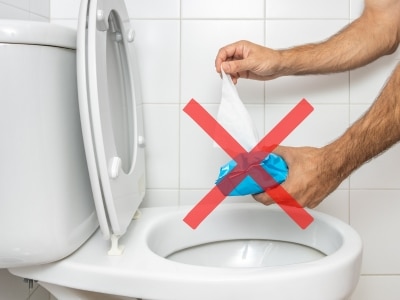 A toilet is not designed to handle general trash. The rule that prevents the majority of issues is simple: only human waste and toilet paper should be flushed. Anything else belongs in a waste bin, even when it appears small enough to pass.
Common offenders behind a clogged toilet include:
- Paper towels and facial tissues: engineered to remain intact when wet, they do not break down like toilet paper and can lodge in bends and traps.
- Baby wipes and cleaning wipes: even when labeled “flushable,” many remain intact long enough to form a blockage in sewer pipes and contribute to a clogged sewer line.
- Feminine hygiene products and diapers: absorbent materials swell with moisture and can obstruct the trapway almost immediately.
- Cotton swabs, dental floss, and hair: small strands and fibers snag on fittings and create nets that collect solids over time.
Keeping a small, lidded trash can near the toilet makes proper disposal easy and prevents problematic items from entering the sewer line. Preventive habits like this reduce the chance of a toilet clog and the need for urgent drain cleaning later.
Use Less Toilet Paper
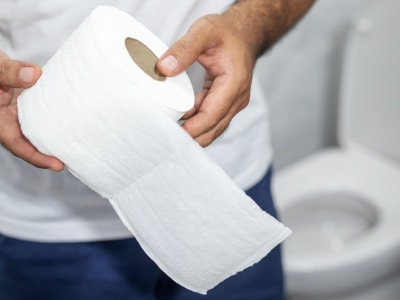 Excessive toilet paper is one of the leading causes of a toilet clog. Large wads expand in water and form dense bundles that the trap and initial section of sewer pipes may not pass easily. Smarter use cuts the risk without sacrificing hygiene.
Helpful approaches include “fold, don’t wad” and partial flushing when more material is needed. Folding uses fewer sheets and creates a flatter profile that moves more easily through the trap. If additional cleaning is required, flushing midway prevents sending a single, oversized mass down the line. Choosing readily dissolving, single‑ or double‑ply paper can further reduce the likelihood of a clogged toilet.
If reasonable amounts of toilet paper still lead to frequent slowdowns, a partial obstruction may already be present downstream. In that case, professional drain cleaning can remove buildup and restore normal flow, preventing recurring episodes that mimic a simple paper problem.
Prevent Sewer Line Clogs
Repeated toilet clogs often signal trouble beyond the fixture—many start with a blockage in the main sewer line. When a sewer line clog develops, wastewater has nowhere to go and will back up through the lowest fixtures, typically a toilet or floor drain. Addressing the root cause is the only way to stop the cycle.
Several conditions commonly contribute to a clogged sewer line:
- Tree roots seeking moisture can enter small joints or cracks and expand within the pipe, restricting flow.
- Grease and fats poured down sinks cool and solidify, coating the interior of sewer pipes and trapping solids that follow.
- Aging materials, shifting soils, or corrosion can cause breaks or sags that collect debris and reduce capacity over time.
Prevention starts with daily choices and periodic checks. Avoid disposing of cooking grease in any drain. Consider scheduling a camera inspection every few years—especially on properties with mature trees—to spot developing issues in the sewer line before they become emergencies. In landscaping plans, keep water‑hungry trees well away from underground lines to limit root intrusion risk.
When warning signs indicate a main‑line problem—multiple fixtures backing up, gurgling in one drain when another is used, or sewage at a low drain—professional help is the safest solution. A licensed technician can assess the sewer line with a camera and then select the appropriate method to restore flow. A motorized auger (drain snake) can break through compacted debris or limited roots. Hydro jetting scours interior walls to remove grease, scale, and residue, restoring internal diameter and long‑term capacity. If inspection reveals defects such as severe offsets, collapse, or repeated root invasion, targeted sewer line repair may be recommended to prevent future blockages and protect the property from a more serious event.
Adopting these habits—limiting what enters the bowl, managing toilet paper wisely, and acting early on signs of a sewer line obstruction—keeps systems flowing as intended. With sensible routines and timely professional support, a clogged toilet becomes a rare occurrence rather than a regular headache.
About Super Plumbers
Super Plumbers is a trusted plumbing company offering unparalleled customer service and competitive pricing in Tyler and nearby communities. Their respectful technicians make your comfort and safety their priority, so call today for clogged toilet and stoppage repair in Tyler, TX.