Pros and Cons of Common Water Heater Fuel Sources
The decision to invest in a new water heater often depends on balancing long-term utility costs against immediate installation requirements. Whether homeowners are planning a water heater replacement or a new system setup, the fuel source significantly impacts daily performance and maintenance needs. Understanding the mechanical differences between these two common options allows for a more informed choice that aligns with a household's hot water demands.
Gas Water Heater
 A gas water heater is a popular choice for those who prioritize fast recovery times and lower monthly overhead. Because natural gas or propane burns hotter and faster than electric elements, these units can heat large volumes of water much more quickly, making them ideal for larger families.
- Lower Operating Costs: Generally, gas is a more affordable energy source than electricity, leading to lower monthly utility bills.
- Rapid Heating: The high heat output ensures that hot water is replenished shortly after a heavy usage period.
- Safety and Infrastructure: A major consideration is that these units pose greater safety risks, such as the potential for gas leaks if not properly maintained.
- Installation Requirements: Professional installation of gas water heaters requires dedicated gas hookups and complex venting systems to exhaust combustion gases outside the home.
Selecting a gas water heater offers the distinct advantage of high-speed performance and economical daily use. However, the necessity for specialized venting and the inherent risks associated with combustible fuel require consistent professional inspections. For households with existing gas lines, this remains a powerful and efficient solution for consistent hot water delivery.
Electric Water Heater
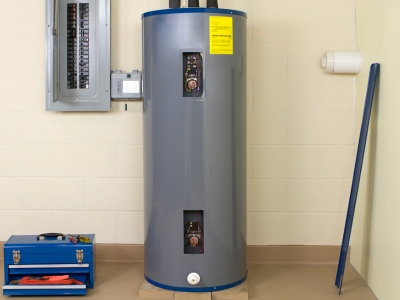 An electric water heater is often the preferred choice for those seeking a simpler, more affordable entry point into home water heating. These units use internal heating elements to warm the tank, eliminating the need for a flame or a pilot light.
- Lower Upfront Investment: These units are typically cheaper to purchase and easier to install, as they do not require venting or gas lines.
- Enhanced Safety: Because there is no combustion, there is no risk of gas leaks or carbon monoxide buildup, making them a very safe option for indoor spaces.
- Higher Operating Costs: Electricity is generally more expensive than gas, which can lead to higher long-term energy expenditures.
- Power Sensitivity: A significant drawback is that the unit will not operate during a power outage, potentially leaving a household without hot water until electricity is restored.
An electric water heater provides a streamlined and safe alternative that fits into almost any home layout. While the lack of functionality during a power outage is a valid concern, the reduced risk and lower initial water heater installation costs make it an attractive option. This system is particularly beneficial for smaller households or properties where gas infrastructure is not readily available.
Factors to Consider Before Installation
When weighing a water heater replacement, several external factors must be considered to ensure the new unit meets the property's specific needs. The reliability of the local electrical grid and the existing plumbing infrastructure play a major role in determining which system provides the best value over time.
- Reliability: If a home experiences frequent power outages, a gas-powered unit may be preferable, as it can often continue to provide hot water without electricity.
- Safety Preferences: If a homeowner is concerned about the hazards of a gas leak or the maintenance of a ventilation system, an electric model offers peace of mind through its simpler mechanical design.
- Existing Infrastructure: The presence or absence of gas hookups can significantly alter the cost of a water heater installation; adding new gas lines is a major project that may outweigh the monthly savings of a gas unit.
Choosing the right water heater requires a careful look at both the immediate budget and the residents' long-term lifestyle. By considering the local climate, the frequency of utility interruptions, and personal safety priorities, a more sustainable choice can be made. Consulting with a professional ensures that the final water heater replacement is sized correctly and installed to meet all modern safety standards.
About Super Plumbers
Super Plumbers is a trusted plumbing company in Tyler, TX, delivering expert installations, repairs, and replacements with honest, upfront pricing. Backed by over a decade of experience, their skilled technicians provide reliable service, quality workmanship, and a strong commitment to customer satisfaction. For expert water heater repair and installation in Tyler, TX, call them today!